12.8°C Vancouver 12.8°C Vancouver
Dec 15, 2025 4:16 PM - Connect Newsroom - Jasmine Singh with files from The Canadian Press
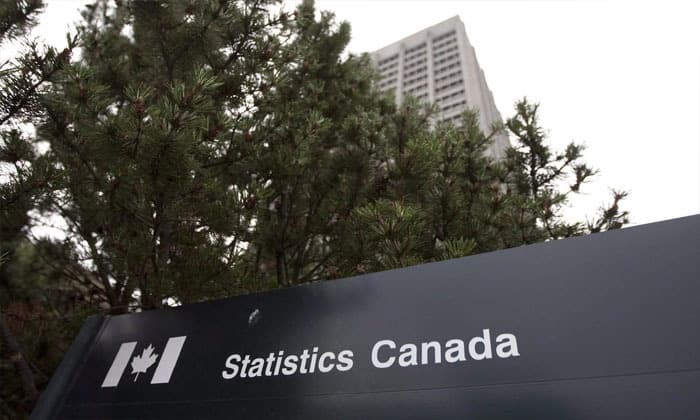
Canada’s annual inflation rate remained unchanged in November, but households continued to feel pressure at the grocery store as food prices recorded their sharpest increase in nearly two years, according to new data from Statistics Canada.
The national inflation rate held at 2.2 per cent, matching October’s reading. However, grocery prices rose 4.7 per cent compared to November last year, marking the fastest pace of food inflation since December 2023 and continuing a trend that has seen food costs outstrip overall inflation since late summer.
Statistics Canada said fresh fruit was a key driver, particularly higher-priced berries, along with increases in processed foods grouped under “other food preparations.” Coffee prices also remained elevated, rising 27.8 per cent year over year, as major coffee-producing regions face poor weather and ongoing trade pressures tied to U.S. tariffs.
Meat prices added further strain, with fresh and frozen beef up 17.7 per cent in November. Analysts point to shrinking cattle inventories across North America as a major factor pushing prices higher for consumers in Canada.
RBC senior economist Claire Fan said food inflation is being driven largely by supply-side challenges. In a note to clients, she said severe weather has disrupted food production, and while Canadian importers are not directly paying U.S. tariffs, higher costs can still be passed along through North American food supply chains.
For families across Canada, including in British Columbia and Alberta where food affordability remains a major concern, the data suggests grocery bills may stay elevated even as broader inflation shows signs of stabilizing.