8.66°C Vancouver 8.66°C Vancouver
Jan 7, 2026 7:20 PM - Connect Newsroom - Ramandeep Kaur with files from The Canadian Press
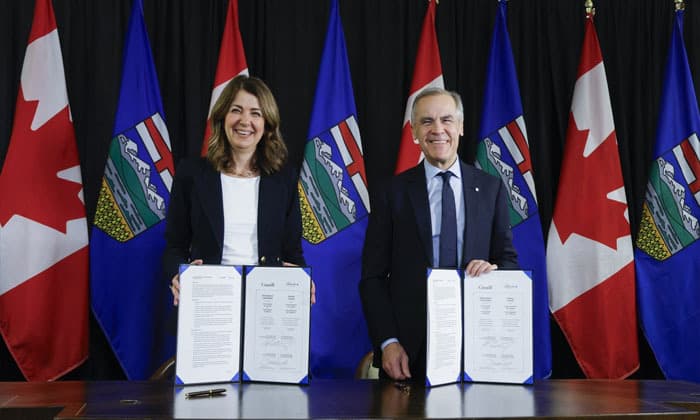
The Alberta government has unveiled a new website outlining its vision for a proposed oil pipeline that would carry oilsands crude to the northwest coast of British Columbia, as the province continues early groundwork on the long discussed project.
The province says the website is intended to serve as a central source of information and updates, aimed at improving public transparency and countering misinformation. The site includes a section addressing common misconceptions, including claims that construction has already started, that Alberta is financing the full project, or that a final pipeline route has been selected.
In October, Alberta committed $14 million toward preliminary planning, including market analysis and regulatory preparation. The government says it expects the private sector to ultimately lead development, with Indigenous communities involved as partners. Provincial officials have emphasized that no construction company has yet agreed to build the pipeline.
Energy and Minerals Minister Brian Jean said the website reflects the province’s effort to keep Canadians informed as discussions continue. Indigenous Relations Minister Rajan Sawhney said the early phase includes engagement with Indigenous communities, which she described as essential to shaping the project’s direction from the outset.
Premier Danielle Smith has said the pipeline could move up to one million barrels of oil per day to tidewater, potentially through a marine terminal at the Port of Prince Rupert, for export to Asian markets. Support for exploring the project was included in a broader energy agreement signed last year between Smith and Prime Minister Mark Carney.
Alberta says it aims to submit an application on or before July 1 to the federal major projects office, a new body designed to fast track infrastructure proposals deemed to be in the national interest. An advisory group backing the concept includes representatives from Enbridge Inc., Trans Mountain Corp. and South Bow Corp., though the province acknowledges that no firm development commitments have been made.