12.77°C Vancouver 12.77°C Vancouver
Dec 12, 2025 6:25 AM - Connect Newsroom - Ramandeep Kaur
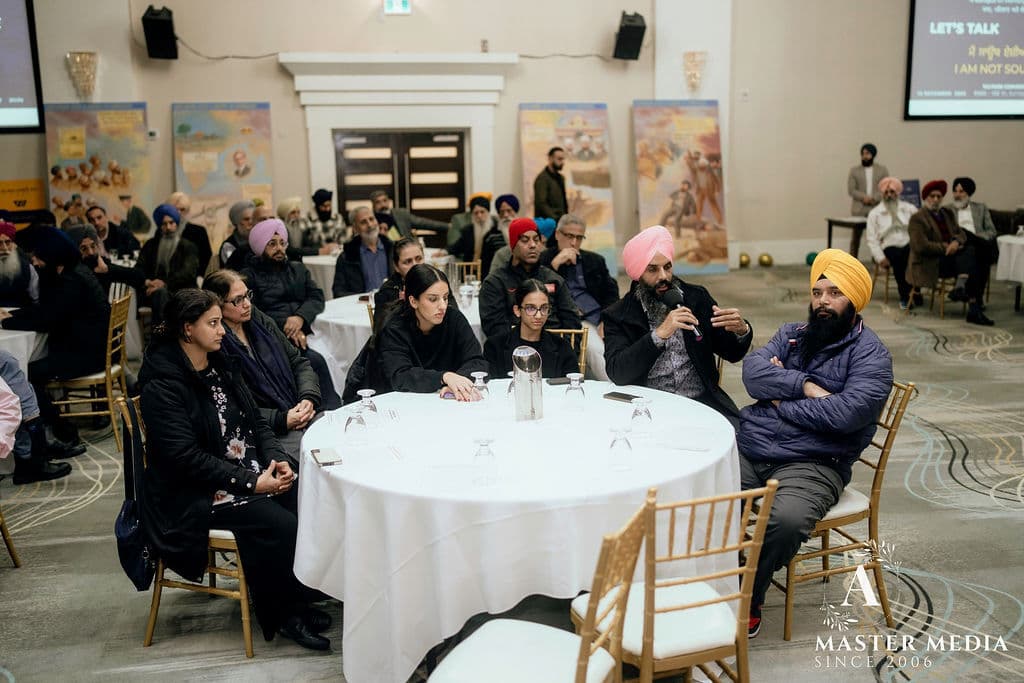
On International Human Rights Day, 10 December 2025, Wanjara Nomad Collections, with participation from the Guru Nanak Jahaz Heritage Society, hosted a three-hour public dialogue titled “Let’s Talk” in Surrey, British Columbia. The program examined questions of memory, identity, and institutional responsibility within Sikh Canadian public life.
Wanjara Nomad Collections organized the dialogue and brought together elders, representatives of gurdwara societies, human rights advocates, scholars, artists, and members of the public. The gathering functioned as a dialogue-based forum that emphasized careful listening, historical accuracy, and civic responsibility rather than performance or spectacle.
Participants focused on how Sikh history and identity appear within museums, universities, and public institutions. They also analyzed a recent National Post article, raised broader concerns regarding institutional framing, and discussed the principles and objectives of the “I Am Not South Asian” campaign. Signage associated with the campaign appeared throughout the venue, reinforcing the importance of precise language and self-identification in public discourse.
Members of the Guru Nanak Jahaz Heritage Society - including Dr. Gurvinder Singh Dhaliwal, Baljeet Kaur, and Raj Singh Bhandall - contributed historical context and reflections on public memory, migration, and institutional accountability. They recounted the long-standing effort to secure recognition of the name Guru Nanak Jahaz and situated this work within broader questions of historical correction and public acknowledgment.
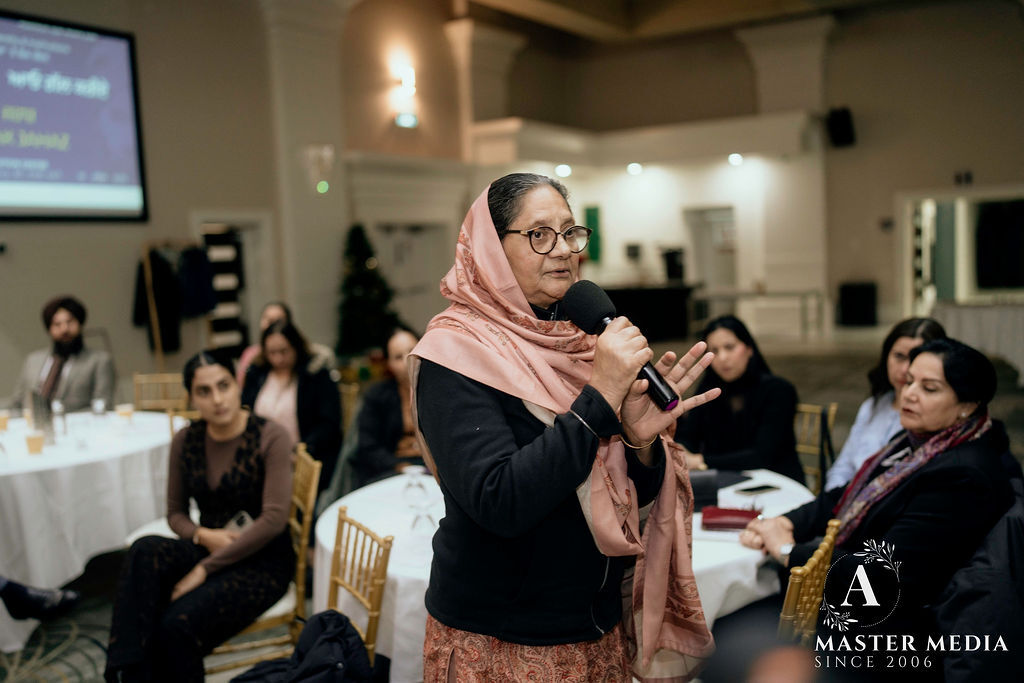
Bibi Paramjit Kaur Khalra delivered a significant human rights reflection. The widow of the late human rights advocate Shaheed Bhai Jaswant Singh Khalra, she spoke about the life of Bhai Harnam Singh Khalra - a member of the five-person committee associated with the passengers of Guru Nanak Jahaz and the grandfather of Shaheed Khalra - and reflected on Khalra Sahib’s enduring legacy in advancing human rights, truth, and accountability.
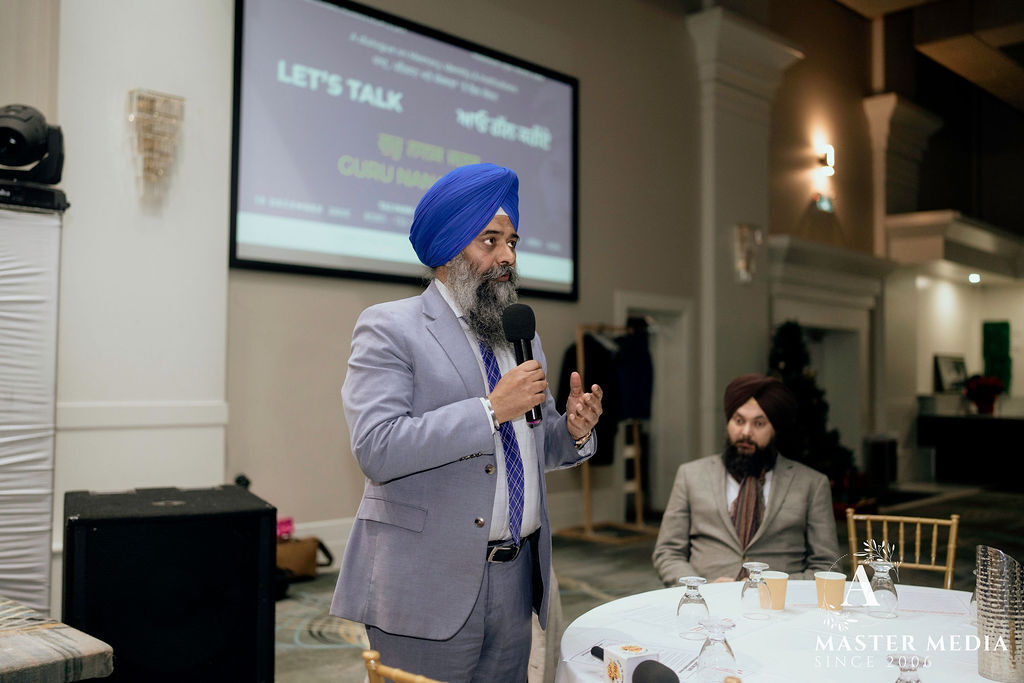
Representing the Guru Nanak Jahaz Heritage Society, Dr. Gurvinder Singh Dhaliwal addressed the historical and human rights significance of Guru Nanak Jahaz, the legacy of Shaheed Bhai Mewa Singh Lopoke, and their place within Canada’s multicultural landscape. He also led a discussion on the persistence of inaccurate or incomplete narratives in national media.
As part of the exhibition component, the program presented a panel series featuring selected archival materials from the Sophia Duleep Singh Scrapbooks, which highlighted political participation, transnational Sikh presence, and historical memory. The program also showcased visual works by the late S. Jarnail Singh Chitrakar, who created four large-format paintings on the history of Guru Nanak Jahaz, displayed alongside additional images and panel materials.
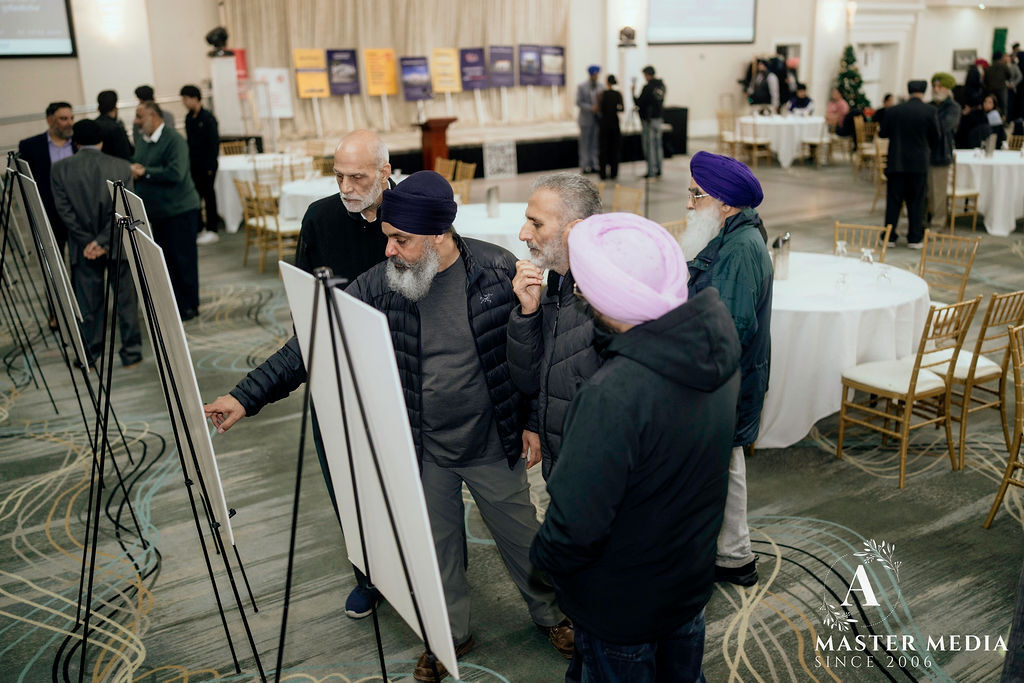
Throughout the dialogue, speakers and organizers invoked Sikh teachings that reject caste hierarchy, stating that caste-based ego directly contradicts core Sikh principles. They situated these discussions within a broader examination of how academic and institutional narratives can sometimes reintroduce caste-based framings inconsistent with Sikh ethical and theological foundations.
Tejinder Singh moderated the program, and Dr. Jasjot Singh Mann delivered the closing acknowledgements. The Taj Convention Centre hosted the event, with logistical support provided by Kultar Singh Thiara and the venue’s management team.
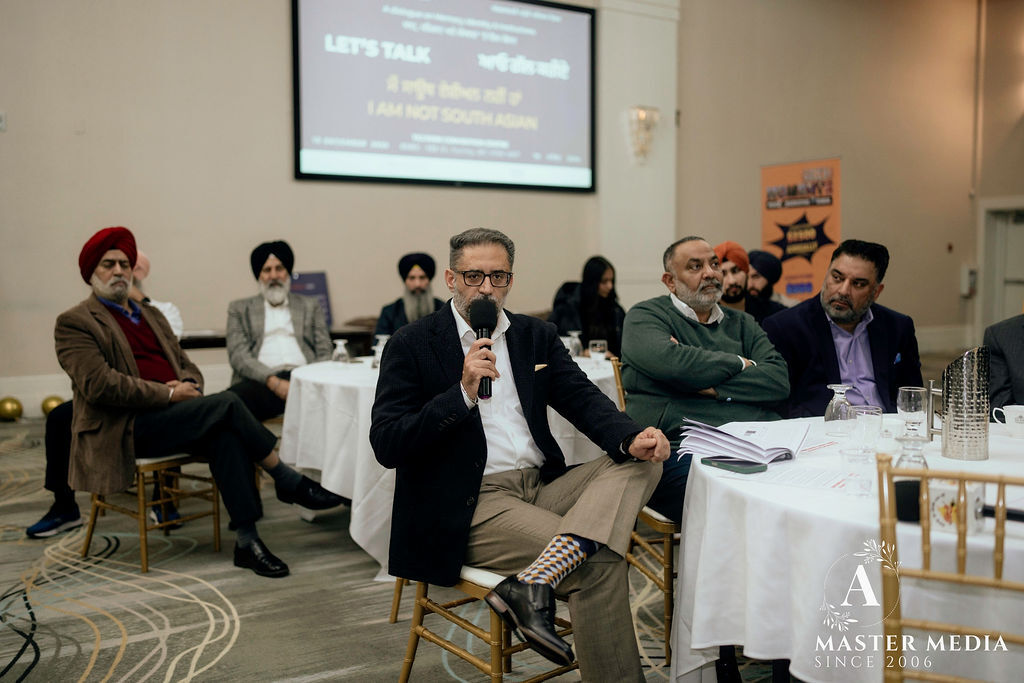
Several gurdwara societies and human rights organizations attended as invited participants, demonstrating long-standing community engagement with issues relating to Sikh history, public education, and institutional accountability. Organizers also acknowledged the contributions of community volunteers, including youth and young adults, whose planning, coordination, and service reflected an intergenerational commitment to civic responsibility, historical awareness, and respectful public dialogue.
The dialogue concluded with a shared commitment to safeguarding historical memory, affirming the right of communities to define themselves with accuracy and dignity, and maintaining rigorous standards of responsibility when institutions engage with living histories. Organizers emphasized that the integrity of human rights depends not only on law and policy, but also on how societies remember, name, and represent one another.