8.65°C Vancouver

Feb 18, 2020 10:49 PM -
Top earners, pop drinkers pay more in British Columbia budget

Share On
top-earners-pop-drinkers-pay-more-in-british-columbia-budget

Budget 2020 moves British Columbia forward by building the infrastructure the growing province needs, supporting thousands of new jobs, strengthening investments in health and education and making life more affordable for everyone.

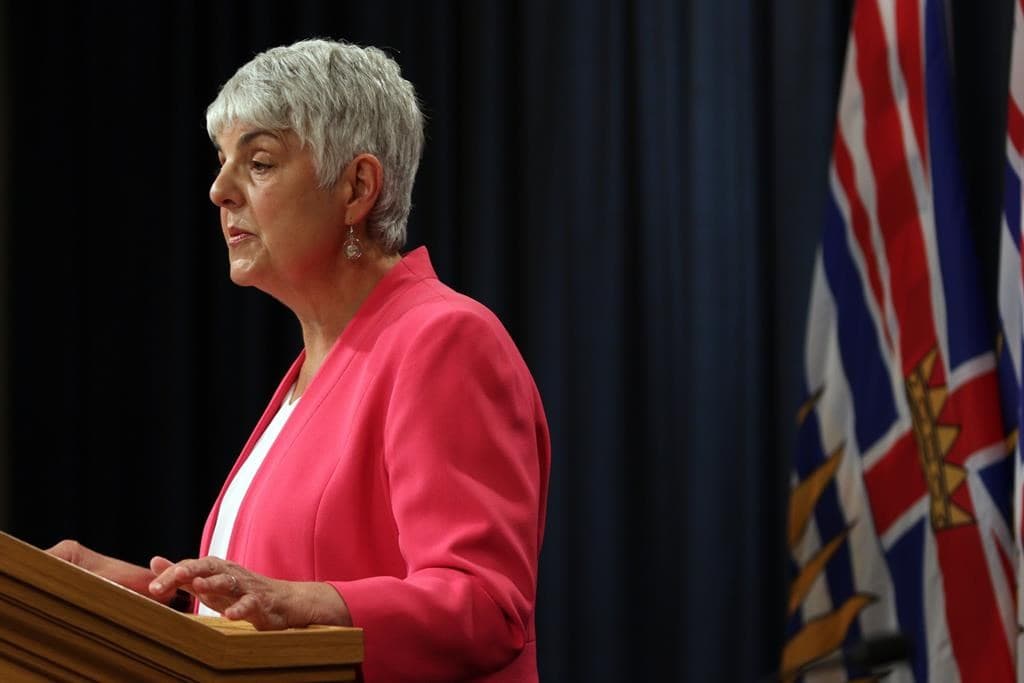
"From new roads, hospitals, housing, schools and child care centres to better, more affordable services in every community, we're seeing fundamental changes that are making life better for British Columbians," said Carole James, Minister of Finance.

"Together, we've made a lot of progress and we can't turn back. Budget 2020 keeps our province moving forward by focusing on people."

Building a stronger B.C.

Quick Facts:

* The budget is balanced in all three years of the fiscal plan with surpluses of $227 million in 2020-21, $179 million in 2021-22, and $374 million in 2022-23.

* Last year, B.C.'s economy was among the top of the provincial real gross domestic product (GDP) growth rankings, led the country with the lowest unemployment rate, and was among the leaders in employment growth across Canada.

* British Columbia is projected to continue to be among the top of the provincial real GDP growth rankings in 2020 and 2021.

* Between 2001 and 2019, B.C.'s population grew by nearly one million people, with much of the increase concentrated in the Lower Mainland. By 2024, B.C.'s population is expected to grow by approximately 346,000 people and by more than one million people in the next 15 years.

Budget 2020 projects surpluses of:

* $227 million in 2020-21

* $179 million in 2021-22

* $374 million in 2022-23

Revenue outlook

Total government revenue is forecast at $60.6 billion in 2020-21, $62.4 billion in 2021-22 and $64.2 billion in 2022-23.

Expense outlook

Total expenses over the three-year fiscal plan are forecast at $60.1 billion for 2020-21, $61.9 billion for 2021-22 and $63.5 billion in 2022-23.

Capital spending

Taxpayer-supported capital spending over the fiscal plan is a record $22.9 billion and includes new investments to sustain and expand provincial infrastructure, including schools, post-secondary facilities, housing, transit, roads, bridges and hospitals.

Debt affordability

B.C.'s taxpayer-supported debt is projected to be $49.2 billion at the end of fiscal year 2020-21, $53.9 in 2021-22 and $58.6 billion at the end of 2022-23. The taxpayer-supported debt-to-GDP ratio, a key metric used by credit rating agencies, is expected to remain near 17% by the end of the fiscal plan period.
Latest news

canadas-unemployment-rate-rises-to-6-7-highest-level-in-six-months
CanadaNov 06, 2026

Canada’s Unemployment Rate Rises to 6.7%, Highest Level in Six Months

Canada’s unemployment rate climbed to 6.7 per cent in October, reaching its highest level in six months, according to the latest data released by Statistics Canada on Friday. Economists had expected the economy to add 13,600 jobs overall. However, instead of gaining jobs, Canada recorded a net loss of 4,700 positions last month. The decline was primarily driven by the private sector, which shed 53,000 jobs, marking its first major drop since February. Meanwhile, public-sector employment increased by 50,000 positions, while the construction industry added 16,000 jobs, helping offset some of t
AlbertaNov 06, 2026

Alberta Referendum Cost Nearly $84 Million, Elections Alberta Seeks Additional $59 Million

Elections Alberta has estimated the total cost of last month's referendum at nearly $84 million. The agency has requested more than $59 million in additional funding from the provincial government to cover expenses already incurred and upcoming work. Of the requested amount, approximately $49 million is intended to cover costs related to the October referendum, which have already been incurred. The vote set new records for advance voting, special ballots and voter turnout. Chief Electoral Officer Gordon McClure told a committee that manually counting 10 ballot papers for each voter placed sign
canada-raises-deposit-insurance-limit-from-100-000-to-250-000
CanadaNov 06, 2026

Canada Raises Deposit Insurance Limit from $100,000 to $250,000

The federal government led by Prime Minister Mark Carney has announced an increase in the deposit insurance limit, raising the amount of money protected in Canadians’ bank accounts from $100,000 to $250,000. Under a new proposal introduced as part of Budget 2026, the Canada Deposit Insurance Corporation (CDIC) coverage limit will increase by $150,000. This marks the first increase in the deposit insurance limit in nearly 20 years. CDIC insurance guarantees that eligible deposits held at member financial institutions are protected up to a specified limit in the event of a bank failure. The co
poilievre-accuses-carney-government-of-misleading-canadians-over-immigration-targets
CanadaNov 06, 2026

Poilievre Accuses Carney Government of Misleading Canadians Over Immigration Targets

Conservative Leader Pierre Poilievre has launched a sharp attack on Prime Minister Mark Carney over the federal government's new immigration plan, accusing the Liberals of manipulating figures to make it appear that immigration is under control. Poilievre alleged that the government is misleading Canadians, arguing that the new immigration targets remain among the highest in Canadian history. He said Carney is describing immigration levels as stable, but in reality, the government's mass immigration plan is protecting the profits of large corporations at the expense of Canadian families, inclu
CanadaNov 06, 2026

Canada Extends Foreign Homebuyer Ban to 2029, Allows Purchases of Newly Built Homes

The federal government, led by Prime Minister Mark Carney, has announced major changes to Canada's foreign homebuyer ban in Budget 2026. Under the new policy, foreign nationals will be allowed to purchase newly built homes, while the existing ban on buying previously constructed and resale residential properties will be extended until January 1, 2029. According to the government, the move aims to encourage foreign investment in new housing construction to increase Canada's housing supply, while protecting the existing housing market for local buyers. The Canadian Home Builders' Association has

Related News