10.1°C Vancouver 10.1°C Vancouver
Feb 13, 2026 3:14 PM - Connect Newsroom - Jasmine Singh
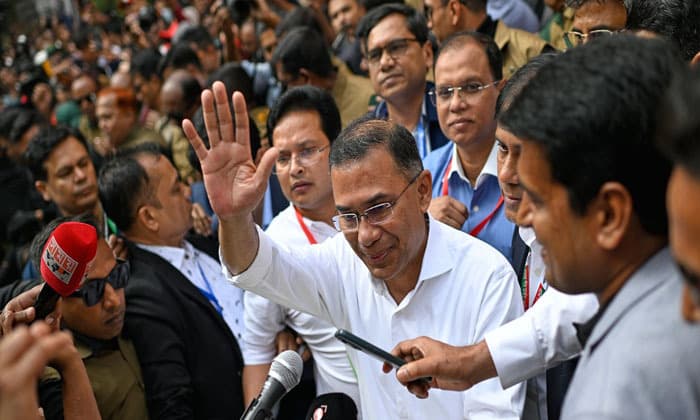
The Bangladesh Nationalist Party has won a clear majority in Bangladesh’s general election, marking a significant shift in the country’s political landscape after nearly two decades. According to preliminary results, the BNP-led alliance secured 212 of the 299 parliamentary seats contested nationwide.
An 11-party alliance led by Jamaat-e-Islami won 77 seats, positioning it as the main opposition bloc in the new parliament. The outcome paves the way for BNP president Tarique Rahman to assume the office of prime minister. Rahman contested from two constituencies and was declared elected in both.
The result signals the end of a prolonged period of governance by the Awami League under former prime minister Sheikh Hasina, whose party held power from 2008 until 2024. Political observers note that the transition represents one of the most consequential electoral changes in Bangladesh in recent years.
Regional leaders responded quickly to the results. Indian Prime Minister Narendra Modi and West Bengal Chief Minister Mamata Banerjee extended their congratulations to Rahman following the announcement of the results. India and Bangladesh share close economic and diplomatic ties, and analysts say the change in leadership could shape regional cooperation in South Asia.
Bangladesh, a country of more than 170 million people, plays a strategic role in regional trade, migration, and security issues. The formation of a new government is expected to draw attention from neighbouring countries, including India, given the longstanding political and economic partnership between the two nations.