9.41°C Vancouver 9.41°C Vancouver
Jan 27, 2026 5:01 PM - Connect Newsroom - Jasmine Singh with files from The Canadian Press
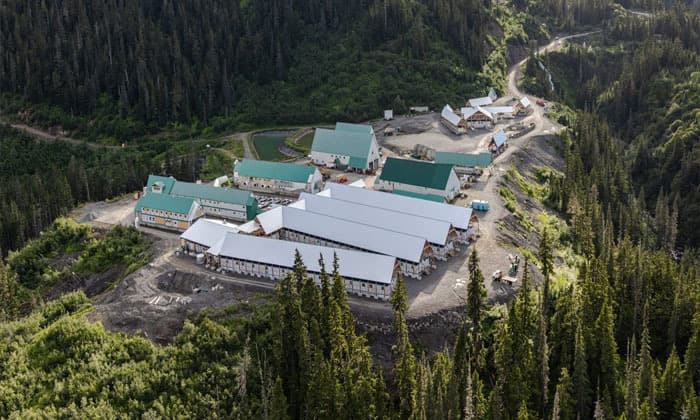
The British Columbia government has granted an environmental assessment certificate for the proposed restart of the Eskay Creek gold and silver mine in northwestern B.C., a project located within Tahltan Nation territory.
In a statement, the province said the decision follows a collaborative environmental assessment led jointly by the B.C. Environmental Assessment Office and the Tahltan Central Government. Provincial officials described the process as the first to be guided by a formal consent-based agreement with a First Nation, reflecting commitments under the United Nations Declaration on the Rights of Indigenous Peoples.
The certificate was approved by B.C.’s ministers of mining and environment after reviewing technical recommendations from the assessment office, along with a separate risk assessment conducted by the Tahltan Nation. As part of the approval, 38 legally binding conditions have been imposed on Eskay Creek Mining Ltd., including requirements related to fish habitat protection, air quality monitoring, and measures to reduce impacts on nearby Indigenous communities in culturally appropriate ways.
The province noted that the project still requires additional provincial permits and federal approvals before construction can begin. Those decisions are expected in the coming months. Under the terms of the certificate, the mine must be substantially started by 2036 or the approval could lapse.
If fully approved, the project is projected to create roughly 1,000 jobs during the construction phase and more than 770 positions at peak operations. The province estimates capital spending of about $713 million and approximately $1.2 billion in provincial revenues over the life of the mine.
The Eskay Creek site was previously one of Canada’s highest-grade gold mines before closing in 2008. In 2022, the province and the Tahltan Nation publicly highlighted their engagement agreement on the project as Canada’s first consent-based land-use decision aligned with UNDRIP.