10.47°C Vancouver 10.47°C Vancouver
Mar 23, 2026 2:29 PM - Connect Newsroom - Ramandeep Kaur with files from The Canadian Press
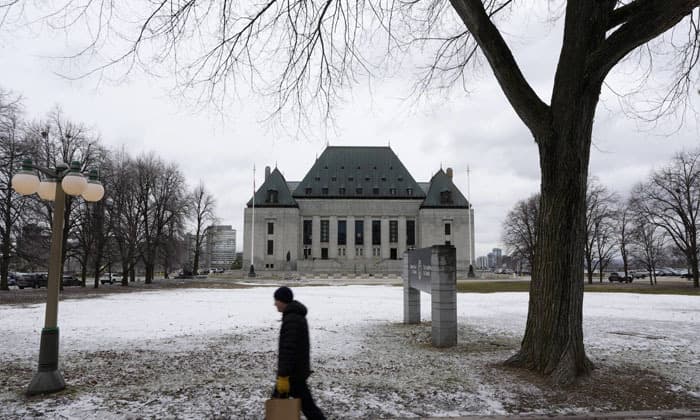
The Supreme Court of Canada began hearings Monday into a legal challenge against Quebec’s controversial secularism law, commonly known as Bill 21, which restricts certain public-sector workers from wearing religious symbols while on duty.
The law, introduced by François Legault’s Coalition Avenir Québec government in June 2019, applies to positions including police officers, teachers and judges. It was enacted using Section 33 of the Canadian Charter of Rights and Freedoms, also known as the notwithstanding clause, which allows governments to override certain Charter protections.
According to court filings, the central issue before the court is whether a provincial government can rely on the notwithstanding clause to limit fundamental rights for an extended period. The provision shields laws from being struck down on the basis of certain rights violations for renewable five-year periods.
Lower courts in Quebec previously upheld the legislation, finding that the province had lawfully invoked the clause. Opponents argue the law infringes on freedom of religion and disproportionately affects minority communities.