10.06°C Vancouver 10.06°C Vancouver

Dec 1, 2025 4:09 PM - Connect Newsroom - Jasmine Singh with files from The Canadian Press
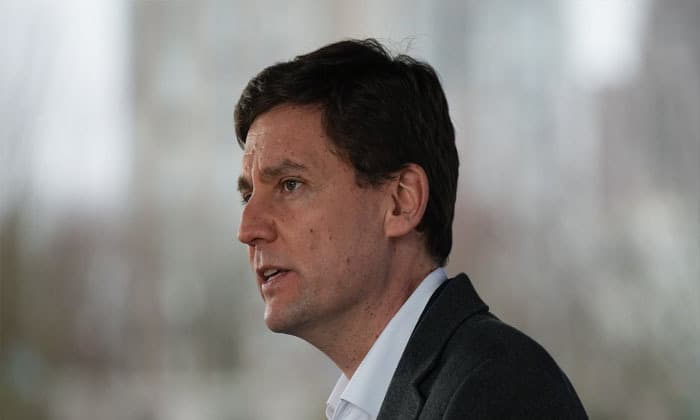
B.C. Premier David Eby says his government is prepared to discuss additional oil pipeline capacity through the province, provided the federal tanker ban along the northern coast remains in place. His position comes after Ottawa and Alberta reached an agreement supporting a proposed pipeline to the West Coast, raising questions about environmental protections, provincial participation and the future of energy infrastructure in British Columbia.
In an interview with CTV's Question Period, Eby said discussions about additional export capacity could take place without weakening the tanker moratorium. He described the ban as an important assurance supporting major investments in B.C. and maintained that preserving it would be a necessary condition for further discussions. The federal ban restricts large shipments of crude and persistent oil products at designated ports along B.C.'s northern coast.
Speaking during a visit to Connect Media's studio in Surrey, B.C. Conservative Leader John Rustad criticized what he described as an inconsistent position from the premier. Rustad questioned how Eby could characterize Alberta's pipeline agreement as unacceptable and then indicate a willingness to consider other solutions the following week. Rustad subsequently repeated his criticism on social media, calling for greater clarity about the provincial government's position.
The debate follows a memorandum of understanding signed by the federal government and Alberta on November 27. The agreement outlines support for a privately financed pipeline capable of transporting at least one million barrels of Alberta bitumen per day to export markets. It also states that Ottawa could consider changes to the Oil Tanker Moratorium Act if necessary to enable exports from a deep-water port, subject to the proposed project's approval and other conditions.
Coastal First Nations have opposed changes to the tanker restrictions, citing concerns about marine ecosystems and protections established after years of advocacy. The proposed pipeline also raises questions about consultation with Indigenous communities, environmental assessment and B.C.'s role in decisions affecting its coastline. The federal-provincial agreement commits Ottawa and Alberta to discussions with B.C. and meaningful engagement with Indigenous Peoples.
Eby's position leaves the tanker ban as a central issue in any potential negotiations. While Alberta and Ottawa have established a framework for advancing a pipeline proposal, the agreement does not itself constitute approval to construct one. Further discussions, regulatory reviews and Indigenous consultation would be required before any project could proceed.