11.64°C Vancouver 11.64°C Vancouver
Jan 5, 2026 2:15 PM - Connect Newsroom - Ramandeep Kaur with files from The Canadian Press
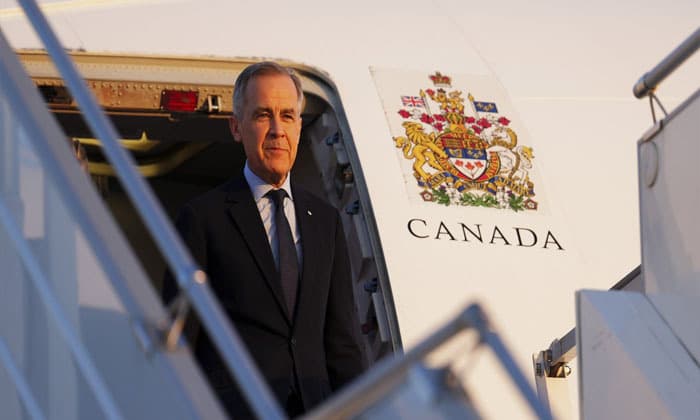
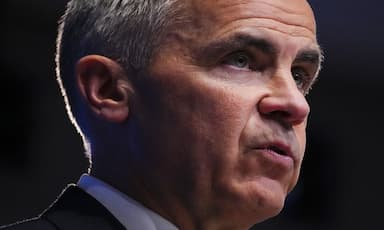
Prime Minister Mark Carney is in Paris on Monday to join talks with international partners supporting Ukraine, as diplomatic efforts continue to bring an end to Russia’s war nearly four years after the invasion began.
The meeting brings together members of the so-called coalition of the willing, including Canada, France and several European nations, with a focus on advancing a negotiated peace plan while strengthening Ukraine’s position. In a statement released Friday, Carney said Canada’s priority remains reinforcing Ukraine’s defence and deterring future Russian aggression, as Kyiv seeks long-term security guarantees from the United States and other allies.
Carney’s office says Canada is working closely with coalition partners to enhance Ukraine’s military capabilities, support long-term reconstruction, and press for the return of Ukrainian children who Ottawa says were unlawfully deported during the conflict. Canada has been among the largest contributors to Ukraine’s recovery on a per-capita basis and recently announced $2.5 billion in financing and loan guarantees during Carney’s meeting with Ukrainian President Volodymyr Zelenskyy in Halifax last month.
The Paris talks come amid renewed international discussion about the contours of a possible peace agreement. U.S. President Donald Trump said following his own meeting with Zelenskyy in Florida that Ukraine and Russia were closer to a settlement, while acknowledging that major obstacles remain.
Benjamin Zyla, a professor of international development and global studies at the University of Ottawa, said any peace plan raises difficult questions for Ukraine, particularly around territorial integrity and long-term security. He noted that Canada has consistently maintained that decisions about territory rest with Ukrainians themselves. Zyla added that any agreement would likely require an international force with a stronger enforcement role than traditional peacekeeping missions to deter future Russian action.
Broader geopolitical developments may also surface in discussions. Zyla said leaders could reference recent events in Venezuela, where U.S. forces removed President Nicolás Maduro and his wife in a military operation. While many experts view the move as a breach of international law, Zyla said it is too early to assess whether it will affect negotiations involving Ukraine and Russia.
Carney responded publicly over the weekend to Maduro’s removal, reiterating that Canada has not recognized his government since the disputed 2018 election and has imposed sanctions on what he described as a brutally oppressive regime. At the same time, Carney emphasized Canada’s long-standing support for a peaceful, negotiated, and Venezuelan-led transition that respects international law and democratic principles.