13.06°C Vancouver

May 13, 2025 2:52 PM - The Canadian Press
B.C.'s low snowpack, early-season melt raise drought concern: province

Share On
b-c-s-low-snowpack-early-season-melt-raise-drought-concern-province
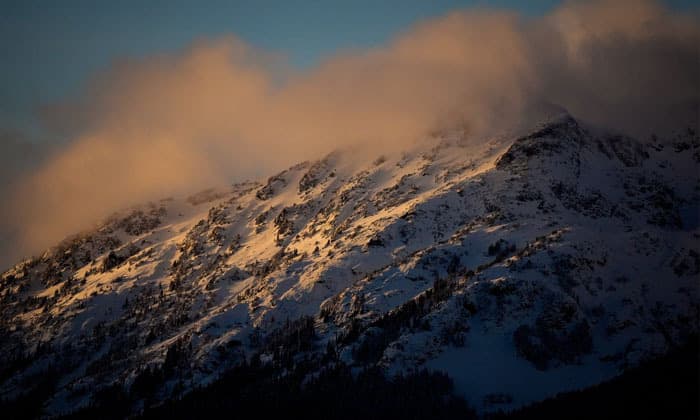
The bulletin from the province says snowpack was an average of 71 per cent of normal as of May 1, decreasing from 79 per cent of normal on April 1.(Photo: The Canadian Press)

British Columbia's latest snowpack and water supply bulletin says drier, warmer weather last month has contributed to an early melt, raising concern for widespread drought this summer.

By early May, the bulletin says about five per cent of B.C.'s annual snowpack has typically melted, but 15 per cent had melted by the start of this month.

The bulletin from the province says snowpack was an average of 71 per cent of normal as of May 1, decreasing from 79 per cent of normal on April 1.

The figure is slightly higher than last year, when B.C.'s snowpack was an average of 66 per cent of what would be normal on May 1.

The bulletin says low snowpack, early snowmelt and warm seasonal weather forecasts all point to "elevated drought" this summer.

It says rivers on Vancouver Island, the South Coast and in northeastern B.C., where snowmelt is not a significant contributor this spring, are flowing "at or near record low levels for early May."

Still, the bulletin notes spring and summer temperatures and precipitation are also key factors that will influence drought conditions.

Seasonal weather forecasts from Environment Canada in late April indicate a greater likelihood of above-normal temperatures in B.C. through July, it says.

The bulletin says May is forecast to be wetter than normal in parts of northern B.C., while it's expected to be drier in the south.

Snow basins are greater in higher-elevation regions compared with 2024 as more snow accumulated throughout the season, it says, but lower-elevation basins tend to have a lower level due to earlier melting.

Snowpack levels on May 1 were under 60 per cent or "well-below" normal in the Upper Fraser West, Lower Thompson, Nicola, Bridge, Skagit, Central Coast, Similkameen, and Skeena-Nass basins, the bulletin says.

There is no elevated flood risk based on the current snowpack. However, in areas with low snowpack, the bulletin notes key flood risks shift toward heavy rain, either short-duration events or prolonged periods of wet weather.

"It is important to note that May and June are wet months through the B.C. Interior with the potential for extreme precipitation patterns," it says, adding the flood season can extend into July in the Rockies and the northeast.

"Therefore, precipitation poses a flood risk through the spring even with limited snowpack," the bulletin says.
Latest news

BCOct 08, 2026

Vancouver Advance Voting Sets New Daily Record as 25,142 Voters Cast Ballots

Vancouver’s municipal election advance voting has set a new daily record, with 25,142 people casting their ballots on Wednesday, the second day of advance voting. According to preliminary figures released by the City of Vancouver, it was the highest number of advance votes recorded in a single day in the city’s history. The previous record was set just four days earlier, on Oct. 3, when 21,824 voters cast their ballots on the first day of advance voting. In comparison, only 10,502 people voted on the second day of advance voting during Vancouver’s 2022 municipal election. This year’s f
carney-announces-2b-heat-pump-rebate-program-for-820-000-canadian-homes
CanadaOct 08, 2026

Carney Announces $2B Heat Pump Rebate Program for 820,000 Canadian Homes

Canadian Prime Minister Mark Carney announced a new $2-billion national heat pump rebate program on Thursday to help Canadians install energy-efficient heating systems and reduce carbon emissions. The federal government says the program will also help lower electricity and heating costs. The funding is expected to provide rebates to around 820,000 homeowners over the next eight years. According to the government, households that switch to new energy-efficient heat pump systems could save an average of up to $1,400 annually on heating bills. The rebate amount will depend on household income. Lo
AlbertaOct 08, 2026

Minor Arrested After Gun Sighting Report at Lloydminster High School

A minor was arrested Wednesday after a report of a gun being seen at a school in Lloydminster, a city located on the Alberta-Saskatchewan border. According to Lloydminster RCMP, police received a report from Lloydminster Comprehensive High School at around 11:07 a.m. The school was immediately placed under lockdown, and officers took the suspect into custody without incident. The suspect’s identity cannot be released due to their age under the Youth Criminal Justice Act. Following a thorough investigation, police confirmed that no weapon was found at the scene.
16-cars-vandalized-at-burnabys-brentwood-mall-parking-lot
BCOct 08, 2026

16 Cars Vandalized at Burnaby’s Brentwood Mall Parking Lot

Sixteen vehicles were vandalized in the parking lot of Brentwood Mall in Burnaby on Monday evening. According to the Burnaby RCMP, the incident occurred at around 6:30 p.m., when the windows of several parked vehicles were smashed. Officers were called to the scene after receiving reports from witnesses, but the suspect had already fled before police arrived. Cpl. Mike Kalanj said investigators are reviewing CCTV footage from the area in an effort to identify the suspect. Police have not released any image of the suspect at this time. RCMP said a total of 16 vehicles had their windows damaged
CanadaOct 08, 2026

Canada Weighs Next Steps as Foreign Homebuyer Ban Nears Expiry

Canada’s ban on foreign homebuyers is nearing its expiry, with the federal government considering various options for what comes next. Finance Minister François-Philippe Champagne said the government is looking at all aspects of the issue, including the current state of the housing market and how it has changed over the past few years. The ban was first introduced in 2023 as part of efforts to curb housing prices and was later extended for another two years. It is currently set to remain in effect until January 1, 2027. Reports suggest that higher interest rates following the COVID-19 pande

Related News